

Magnesium is one of the body’s essential minerals, and it plays a role in hundreds of biochemical reactions.
It helps support normal muscle and nerve function, energy production, blood glucose regulation, blood pressure, and the formation of DNA, protein and bone.
But there’s an important distinction: getting enough magnesium is beneficial; taking a magnesium supplement every day isn’t necessary for everyone.
Most people can get the magnesium they need through a balanced diet. Supplements are mainly useful when dietary intake is inadequate or when a healthcare professional recommends them.




1. Your muscles and nerves can function normally
Magnesium is involved in normal muscle contraction and relaxation as well as nerve signaling.
Severe magnesium deficiency can cause muscle weakness, tremors, cramps and abnormal heart rhythms.
However, that doesn’t mean taking extra magnesium will automatically eliminate muscle cramps in everyone. Cramps can have many different causes.
2. Your body can produce energy properly
Magnesium is required for hundreds of enzyme reactions involved in metabolism.
It also helps your cells use ATP — the molecule that supplies energy for cellular processes.
If you don’t get enough magnesium, these processes can be affected.
3. Your heart and blood vessels benefit from adequate magnesium
Magnesium contributes to normal heart rhythm and blood vessel function.
Research also suggests that increasing magnesium intake may have a modest beneficial effect on blood pressure in some people, particularly those who don’t get enough of the mineral.
But magnesium supplements should not be considered a replacement for prescribed blood-pressure treatment.
4. Your bones need magnesium too
A large proportion of the body’s magnesium is stored in bone.
Magnesium works alongside other nutrients, including calcium and vitamin D, in maintaining normal bone health.
Getting enough magnesium through food is therefore one part of an overall healthy diet for maintaining strong bones.
5. Your nervous system and sleep may be affected
Magnesium is involved in nervous-system function, and researchers are studying its possible role in sleep and relaxation.

Some studies suggest magnesium supplementation may improve certain measures of sleep, particularly in people with inadequate magnesium intake, but the evidence isn’t strong enough to say that magnesium supplements are a guaranteed treatment for insomnia.
And while magnesium L-threonate has attracted attention because of its potential effects on the brain, evidence for major improvements in memory or cognitive performance in healthy adults is still limited.
6. Your DNA and cells rely on magnesium
Magnesium participates in numerous cellular processes, including DNA and protein synthesis.
It acts as a cofactor for many enzymes and helps support normal cellular function.
This is one reason magnesium is considered an essential nutrient rather than simply a supplement marketed for muscle cramps or sleep.
What about pregnancy?
Magnesium has an important medical role during pregnancy, but this area is often misunderstood.

Magnesium sulfate given intravenously in hospitals is used in specific pregnancy-related situations, including preventing seizures in people with severe pre-eclampsia and providing neuroprotection for certain babies at risk of very preterm birth.
That is very different from taking an ordinary magnesium supplement every day.
There isn’t good evidence that routinely taking magnesium supplements during pregnancy prevents premature birth in everyone.
Could you be deficient?
Severe magnesium deficiency is uncommon in otherwise healthy people, but the risk can increase in certain circumstances, including some gastrointestinal disorders, prolonged diarrhea, alcohol dependence, diabetes and the use of certain medications.
Possible symptoms of significant deficiency can include loss of appetite, nausea, fatigue, weakness, muscle contractions or cramps, abnormal heart rhythms and, in severe cases, seizures.
These symptoms are not specific to magnesium deficiency, however. Many other conditions can cause them.
If you suspect a deficiency, speak with a healthcare professional rather than diagnosing yourself based on symptoms alone.

The best way to get magnesium
For most people, food is the best place to start.
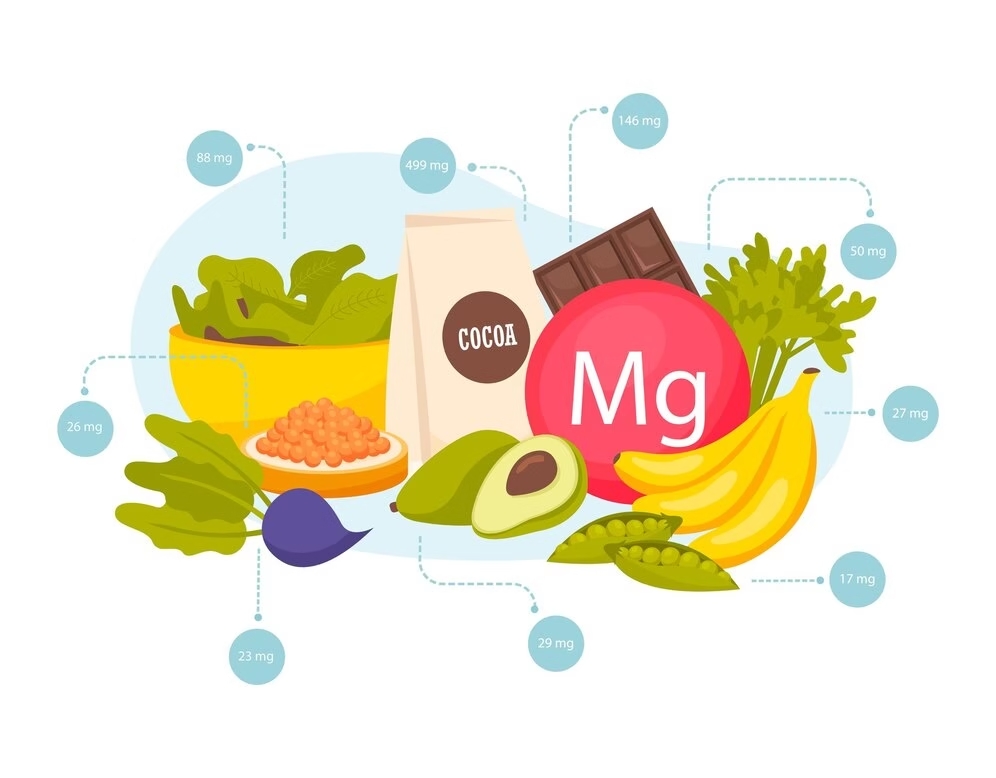
Good sources include:
🥬 Leafy green vegetables
🥜 Nuts and seeds
🫘 Beans and legumes
🌾 Whole grains
🥑 Avocado
🫛 Edamame
🐟 Some fish
🍫 Dark chocolate in moderation
Pumpkin seeds, chia seeds, almonds and spinach are particularly magnesium-rich choices.
You don’t need to eliminate dairy foods simply because you’re trying to increase magnesium. Dairy can provide other important nutrients, including calcium and protein.
There’s also no good reason to avoid aluminum cookware or deodorant specifically to prevent magnesium deficiency. Those claims are not supported by strong evidence.
Should everyone take a magnesium supplement?
Not necessarily.
More magnesium isn’t always better. High doses from supplements can cause diarrhea, nausea and abdominal cramping, and extremely high intakes can be dangerous.
People with kidney problems in particular should speak with a healthcare professional before taking magnesium supplements because their bodies may have difficulty removing excess magnesium.
The goal isn’t to take as much magnesium as possible. The goal is to get enough.
For many people, that starts with a varied diet rich in vegetables, legumes, nuts, seeds and whole grains.
Medical disclaimer: This article is for educational purposes only and is not a substitute for professional medical advice, diagnosis or treatment. If you are considering magnesium supplements, especially if you take medications or have a medical condition, speak with your doctor or pharmacist first.
Please SHARE this article with your family and friends on Facebook.