
In recent years, several studies have identified the link between our gut microbiota and our general health.
From our mental health to our responses to stress and our susceptibility to autoimmune disorders like rheumatoid arthritis and type 1 diabetes, the influence of our gut flora is extensive.
A recent publication in The Journal of Immunology provides new perspectives on the connection between the microbiome and autism.
The World Health Organization characterizes autism as a varied set of conditions associated with brain development that impact social interaction and communication.



Moreover, the World Health Organization (WHO) indicates that individuals with autism frequently experience co-occurring conditions such as epilepsy, depression, anxiety, and attention deficit hyperactivity disorder, in addition to exhibiting challenging behaviors like difficulties with sleep and self-injury.
The intellectual abilities of these individuals vary significantly from one person to another.
Research indicates that the microbiota of our mothers has a more substantial impact on the development of autism than our own microbiota.
John Lukens, the lead researcher and PhD student at the University of Virginia School of Medicine, stated, “The microbiome can influence the developing brain in various ways.”
He further emphasized, “The microbiome plays a crucial role in determining how the immune system of the offspring will react to infections, injuries, or stress.”
What holds the clue between microbiome and autism might be a molecule produced by the immune system called interleukin-17a, or IL-17a.
To date, research has indicated that this cytokine is involved in conditions such as psoriasis, multiple sclerosis, and rheumatoid arthritis, and is crucial for protecting the body against fungal infections. Nevertheless, it also seems to affect brain development during gestation.
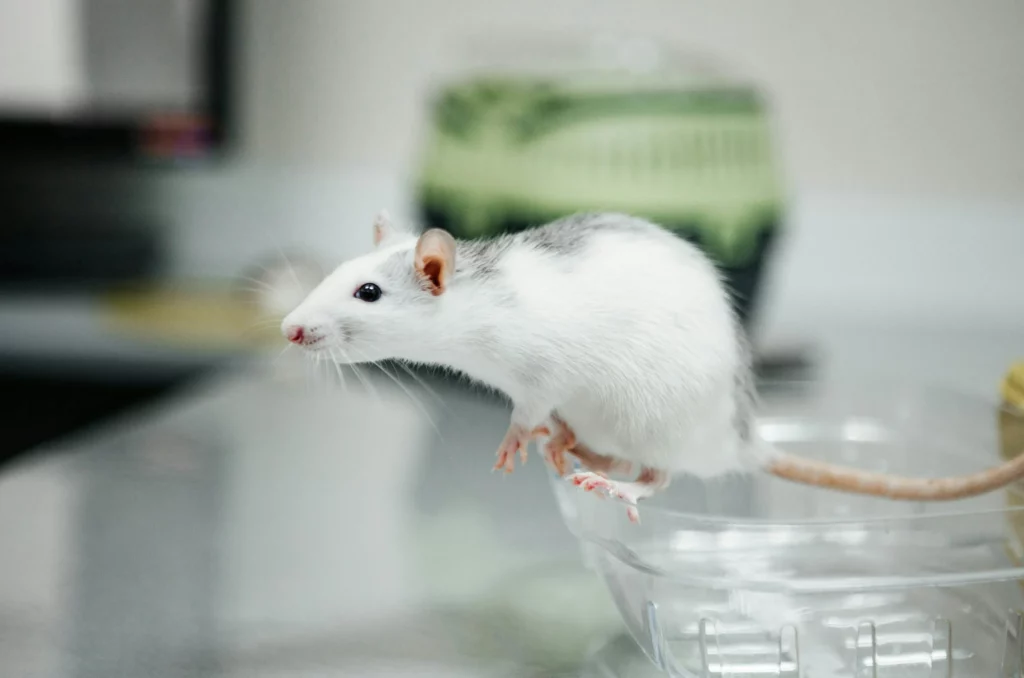
Researchers conducted their studies on mice with varying gut microbiota. One group was exposed to bacteria associated with a heightened inflammatory response induced by IL-17a, while the control group was not.
When IL-17a was artificially suppressed in the pups, both groups exhibited neurotypical behavior. However, as human intervention ceased and the mice matured naturally, those from the first group began to display behaviors characteristic of autism, including repetitive actions.
Subsequently, the researchers utilized the feces from the first group of mice to carry out a fecal transplant on the second group, successfully transferring the pro-inflammatory gut bacteria. As anticipated, the mice in the second group also exhibited autism-like behaviors.

Although the study has been conducted solely on mice, it lays the groundwork for additional research that may reveal the degree to which a mother’s gut health influences the onset of neurodevelopmental disorders.
“In terms of applying our findings to humans, I believe the next significant step would be to identify characteristics of the microbiome in expectant mothers that are associated with autism risk,” Lukens stated. “It is crucial to determine what methods can be employed to effectively and safely modulate the microbiome in mothers.”
While inhibiting IL-17a may present a potential avenue for preventing autism, Lukens cautioned that it carries certain risks. “Considering pregnancy, the body is essentially accommodating foreign tissue, which is the fetus,” he explained. “Consequently, maintaining embryonic health requires a delicate balance of immune regulation, leading many to avoid altering the immune system during pregnancy.”
He indicated that there are numerous other molecules worth investigating, as IL-17a represents only a small fragment of a much larger context.
Please SHARE this article with your family and friends on Facebook.