
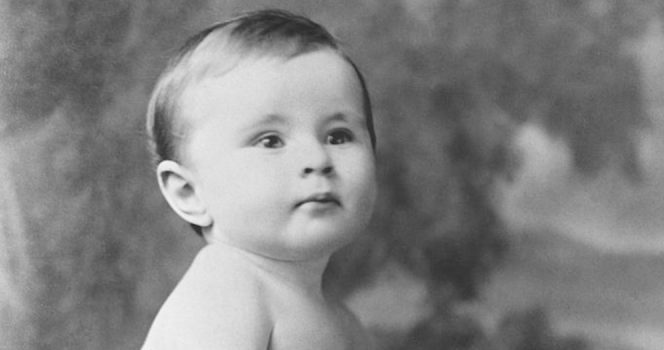
She was raised in turmoil — a childhood characterized by instability, pressure, and an intensity of scrutiny that no child should ever have to face. Nevertheless, she emerged as one of the most significant stars that Hollywood has ever seen.
Unfortunately, the young girl was thrust into the limelight while being manipulated, criticized, overworked, and administered pills merely to keep her going.
Beneath the dazzling costumes and enchanting roles lay a child struggling with fatigue, insecurity, and a system that prioritized profit over protection.
Born in Minnesota
Comprehending this icon’s formative years not only clarifies the brilliance that later mesmerized the world; it also reveals the sinister mechanisms of old Hollywood, the pressures that influenced her adulthood, and the scars that never completely healed.




Her narrative became a cautionary tale for future generations of child performers, serving as a reminder that even the most luminous legends often emerge from profound suffering.
From a very early age, this girl who would eventually traverse the Yellow Brick Road was already showcasing her talent. Born in Minnesota, she made her stage debut before reaching the age of three.
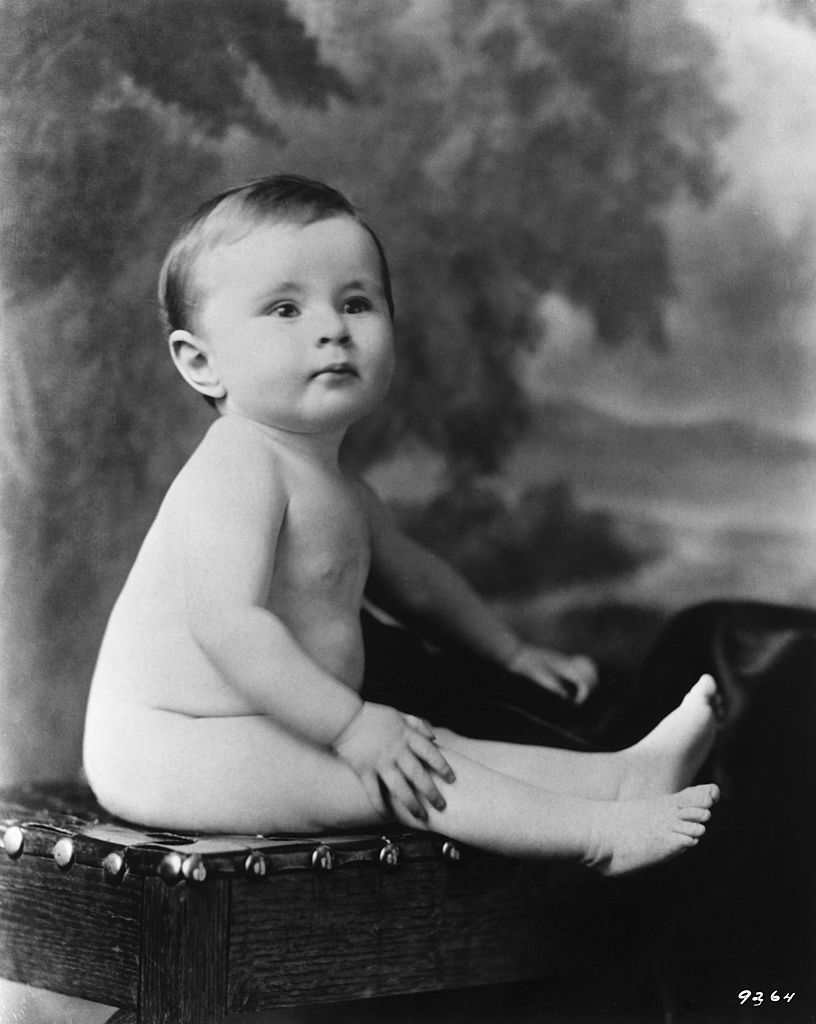
Her domestic life, however, was far from enchanting. Her mother had allegedly wished to terminate the pregnancy but was unable to do so, and the family was disturbed by persistent rumors regarding the father’s clandestine relationships with adolescent boys and young men.
In June 1926, the family discreetly moved to Lancaster, California, following the emergence of gossip about her father’s private life.
Her parents, who were employed as vaudeville performers, experienced a marriage characterized by a continual cycle of separation and reconciliation, a memory that remained vivid for her.
“It was extremely difficult for me to comprehend those matters, and naturally, I distinctly recall the anxiety I felt during those separations,” she remarked.
Her mother exhibited significant jealousy.
As a young child, she was taken to nightclubs to perform in venues that were grossly unsuitable for her age.
Her biographers later noted that her mother frequently administered pills to keep her awake, as well as others to induce sleep. This regimen would haunt her throughout her life.
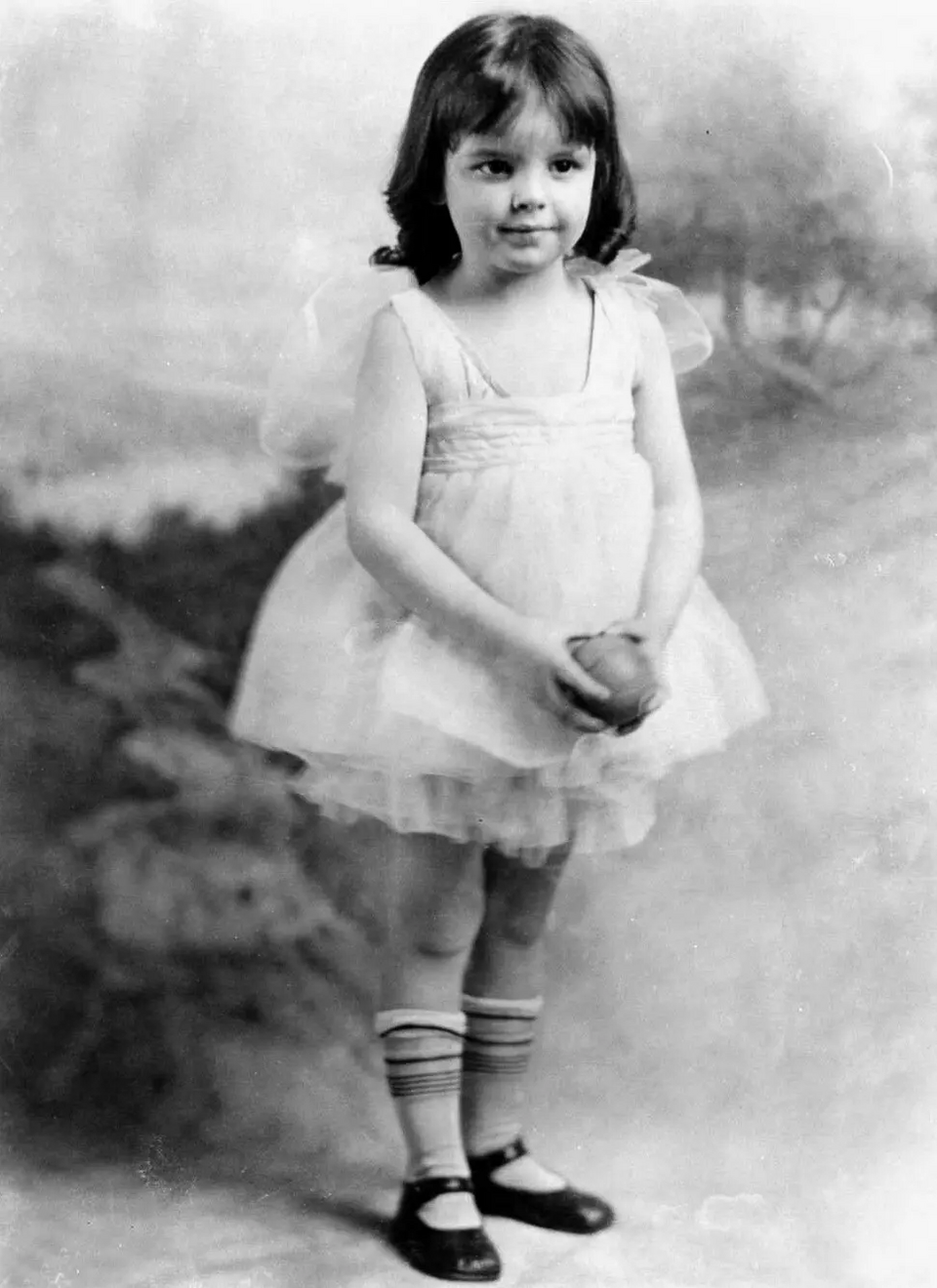
As she later disclosed in 1963, “The only time I felt wanted as a child was when I was on stage, performing.”
In a conversation with Barbara Walters in 1967, the actress described her mother as a “mean” stage mother.
“She was extremely jealous because she possessed no talent whatsoever,” she remarked. “She would linger in the wings, and if I was feeling unwell, she’d threaten, ‘You get out and sing, or I’ll wrap you around the bedpost and break you off short!’ Consequently, I would go out and perform.”
In subsequent years, she frequently asserted that her mother never wanted her, that she had intended to have an abortion until a medical student friend persuaded her parents otherwise, and even attempted to induce a miscarriage.
“She must have rolled down nineteen thousand flights of stairs and jumped off tables,” she would often say.
Her mother also took pleasure in sharing her schemes and tactics with the ladies in the neighborhood.
Breakthrough
In 1935, the young performer signed a contract with MGM. Two years later, she made her screen debut by performing “You Made Me Love You (I Didn’t Want to Do It)” in Broadway Melody. This was the breakthrough she so desperately sought. As writer John Fricke noted:
“One film would be concluding while she was already in rehearsals for the next. This overlap continued from the late ‘30s into the early ‘40s.”
However, even as her career flourished, the studio exacerbated her insecurities. Louis B. Mayer reportedly referred to her as “my little hunchback,” and she was subjected to a strict regimen of cottage cheese, chicken broth, and amphetamine-laced diet pills to maintain her weight.
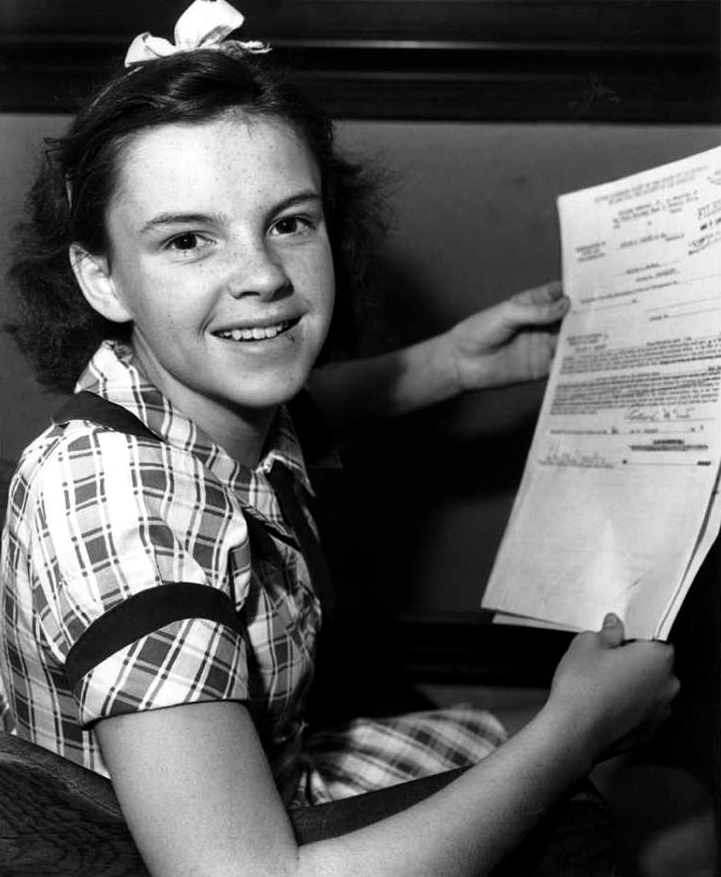
Producers worried audiences wouldn’t believe such a small 13-year-old girl could sing the way she did. Still, she kept working. When MGM loaned her out to Fox for Pigskin Parade, her performance was so strong that her home studio finally began giving her real roles.
Her father died of spinal meningitis
The emerging talent had scarcely departed the stage after a broadcast when misfortune struck — her father succumbed to spinal meningitis. Devastated, she persevered.
Film after film followed. She began rehearsing for Thoroughbreds Don’t Cry even before her prior project concluded, then seamlessly transitioned into Everybody Sing. Tours, radio appearances, promotions — the whirlwind was relentless. MGM swiftly recognized her perfect pairing with a young actor named Mickey Rooney, and together they produced a remarkable series of hits.
However, with the demanding schedule came a darker reality: the medications she depended on to remain alert, to sleep, and to manage her weight — a cycle that gradually evolved into an addiction.
Then arrived 1939: the role that transformed everything.
Darwin Porter and Danforth Prince later remarked:
“‘The Wizard of Oz’ represented a pivotal moment in her career. It marked the inception of her eventual legend as she danced along the Yellow Brick Road in ruby slippers, which, years later, would command a high price at auction.”
Only after that iconic performance did the world truly recognize her name.
Judy Garland.
“I’m the queen of the comeback”
“The Wizard of Oz” received acclaim from critics; however, its substantial production and marketing costs — approximately $4 million at the time, which is equivalent to around $71 million today — rendered it a precarious undertaking for the studio. The film contributed to establishing Garland as one of the most commercially successful actresses in the United States.
She proceeded to work in films such as Meet Me in St. Louis in 1944 and Easter Parade in 1946.
In 1954, audiences witnessed Judy Garland embody what would ultimately be her last truly iconic role: Esther Blodgett (Vicki Lester) in A Star Is Born. While she portrayed the promising young talent on screen, her actual life mirrored that of Vicki’s romantic partner, Norman Maine (James Mason), a once-celebrated star grappling to maintain his career. By the age of 32, Garland had already devoted the majority of her life to performing, with her career fluctuating in tandem with her delicate physical and emotional well-being — a cycle that would tragically persist until her death 15 years later.
“I’m the queen of the comeback,” she remarked in a 1968 interview. “I’m growing weary of making comebacks. I truly am. I can’t even visit the powder room without staging a comeback.”
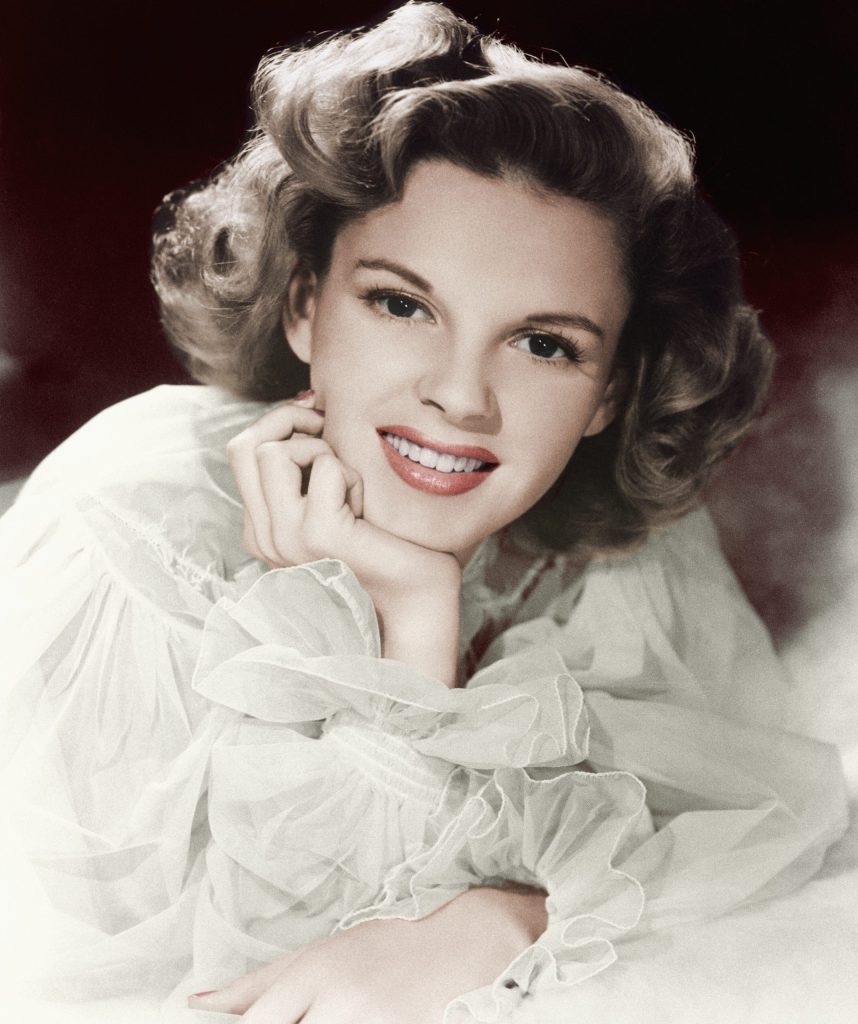
On June 22, 1969, Mickey Deans, Garland’s new husband, forcibly entered the locked bathroom of their London residence and discovered her deceased at the age of 47. An autopsy subsequently revealed that she had succumbed to an accidental overdose of barbiturates, which were a widely used sleep aid during that period.
Coroner Gavin Thurston addressed the media following the autopsy,
“This is clearly an accidental situation involving an individual who had been accustomed to barbiturates for an extended duration. She ingested more barbiturates than her body could handle.”
While her passing was tragic, it was not entirely unforeseen. Those in her inner circle — as well as the general public — were acutely aware of her prolonged battles with addiction.
Garland had faced depression and alcoholism for many years and had allegedly made multiple suicide attempts. Her third husband, Sid Luft, asserted that she had tried to end her life on at least 20 different occasions.
In the end, her life narrative unfolded more as a tragedy than the optimistic, carefree young woman she frequently depicted on screen. Despite her remarkable achievements in both theater and film, Garland grappled with profound low self-esteem. She was perpetually on a diet, a behavior that critics and historians attribute to executives consistently labeling her as an “ugly duckling.”
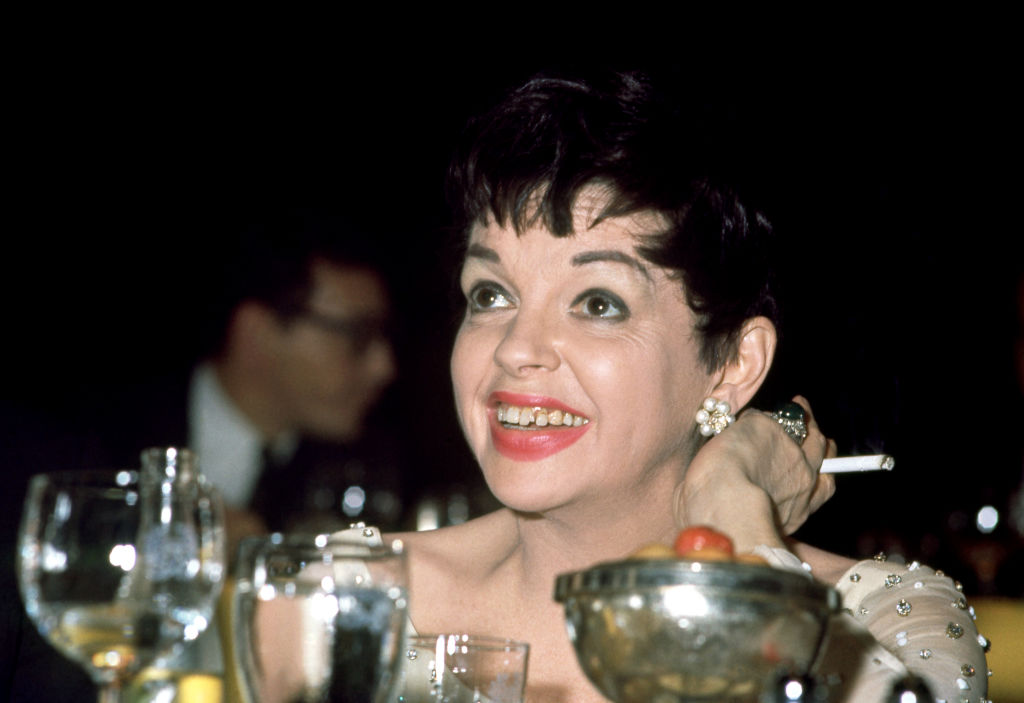
At one time, Stevie Phillips, who served as Garland’s agent for four years, characterized her as “a demented, demanding, supremely talented drug-addict.”
However, biographer Royce highlighted that Garland exhibited “astonishing strength and courage,” even during her most challenging moments. English actor Dirk Bogarde once referred to her as “the funniest woman I have ever met.”
In spite of her personal struggles, Garland dismissed the public’s view of her as a tragic figure. Her younger daughter Lorna reflected this perspective:
“We all experience tragedies in our lives, but that does not render us tragic. She was humorous, warm, and exceptionally talented. She experienced significant highs and remarkable moments in her career. She also had wonderful times in her personal life. Indeed, we lost her at the age of 47. That was tragic. However, she was not a tragic figure.”
I have always cherished The Wizard of Oz and Judy Garland’s portrayal of Dorothy — her singing voice was extraordinary. She endured so much throughout her life, and my heart goes out to her. May she find eternal peace, far beyond the rainbow 🌈🕊